What it is and what it claims to do
Q: What is GrandeLASH-MD?
It’s a lash-enhancing serum designed to condition natural eyelashes so they look longer and fuller over time. It’s applied like a liquid liner along the upper lash line, typically once per day, and is marketed as a cosmetic product that supports the appearance of healthier-looking lashes.
Q: What kind of results do people usually expect?
Most users look for visible changes in lash length, density, and overall lash “presence” (how dark and noticeable lashes appear even without mascara). Results are usually described as gradual, not instant—more like a hair-care routine than a makeup effect.
How lash serums generally work (in plain language)
Q: Do lash serums “grow” lashes overnight?
No. Lashes have a natural growth cycle, and serums typically focus on conditioning the lash line and supporting lashes so they break less and look stronger. Some formulas also use active ingredients intended to support the appearance of thicker, longer lashes as the weeks go by.
Q: Why do results take time?
Eyelashes grow and shed in cycles. A serum can’t change yesterday’s lash, but it may help new growth appear more noticeable and help existing lashes feel more conditioned. That’s why brands commonly suggest consistent use for several weeks before judging results.
Q: Is “fuller-looking” mostly about length?
Not only. The “full” look can come from several small improvements at once: less lash breakage, slightly longer lashes, more uniform lash line, better hydration and flexibility, and darker-looking lashes when they’re healthier and better conditioned.
Key product basics people ask about
Q: How is it applied?
It’s typically applied as a thin stroke along the upper lash line, right where lashes meet the skin. Many users apply it at night on clean, dry skin so it can sit undisturbed.
Q: Do you apply it to the lower lash line too?
Most lash serums are intended for the upper lash line only. The product can transfer to lower lashes naturally (for example, through blinking), and applying directly to the lower line can increase the chance of irritation or product migrating into the eye.
Q: How much should you use?
A very thin line is the usual recommendation. More product doesn’t necessarily mean better results and can increase the chance of running, irritation, or residue.
Ingredients and what they’re trying to accomplish
Q: What types of ingredients are common in lash serums like this?
Many formulas rely on a mix of conditioning agents (to support softness and flexibility), humectants (to help hold moisture), amino acids, peptides, and botanical extracts. The goal is usually to improve the look and feel of lashes and help them appear stronger and less prone to snapping.
Q: Why do peptides get mentioned so often?
Peptides are short chains of amino acids often used in skincare and hair-care products. In lash serums, they’re typically included to support the appearance of stronger, healthier-looking lashes over time.
Q: What should sensitive users pay attention to on an ingredient list?
Fragrance, certain preservatives, and any known personal triggers can matter. Even “gentle” products can irritate the delicate eye area for some people, so patch-testing (where appropriate) and cautious first use can be helpful. If you have a history of eye irritation, allergies, eczema around the eyes, or dry-eye issues, it’s worth being extra careful.
Q: Are there ingredients that can cause more noticeable side effects in some lash serums?
Some lash-enhancing products in the broader market include prostaglandin analogs or similar compounds. These can be effective for some people but may also be associated with side effects such as irritation, redness, or changes around the eyelids in certain users. If you’re unsure what a formula contains or how it might affect you, reviewing the ingredient list and discussing concerns with a medical professional is the safest approach.
Routine planning: how to use it without overcomplicating your life
Q: When should it go in a skincare routine?
Most people apply it on clean, dry skin before heavier creams or oils. If used at night, it often goes on after cleansing and letting the eyelid area fully dry. If you apply eye cream, many users place lash serum first, allow it to dry, then apply creams carefully around (not on) the lash line.
Q: Can you use it with makeup and mascara?
Yes, in the sense that it’s usually applied when makeup is off, then makeup is used later. If you use it in the morning, it should be fully dry before applying other products. Many people prefer nighttime use to reduce the chance of smudging or product migrating while they’re getting ready.
Q: How do you keep the applicator clean?
Use it only on clean skin, avoid touching the tip to fingers or other surfaces, and recap it tightly. If you’re prone to eye infections or you’ve had a recent eye issue (like styes or conjunctivitis), replacing eye-area products can be a smart hygiene step.
What a realistic timeline can look like
Q: When do people usually notice changes?
Many users look for early signs (like lashes feeling less brittle or looking slightly more defined) within a few weeks, while more visible changes in length and fullness are often evaluated over a longer period (commonly several weeks to a few months). Consistency matters more than applying extra product.
Q: How do you measure progress without obsessing?
A simple method is taking a makeup-free photo in the same lighting once every 2–4 weeks. Day-to-day changes can be hard to see because you’re looking at your lashes constantly, so spaced-out comparisons are more useful.
Q: What happens if you stop using it?
Lashes usually return to their normal baseline over time because they continue their natural growth cycle. A serum’s effects generally aren’t “permanent”—they’re maintained through continued use.
Safety, comfort, and side effects: the practical checklist
Q: What are common comfort issues people report with lash serums?
Mild stinging, redness, itching, watery eyes, or dryness can happen, especially if product gets into the eye or if your skin barrier is sensitive. Using less product, ensuring the lash line is dry before application, and avoiding rubbing the eyes can reduce problems for some users.
Q: What should you do if irritation happens?
Stop using the product and rinse the eye area with water if needed. If symptoms persist, worsen, or involve significant swelling, pain, or changes in vision, seek medical advice promptly. Eye-area reactions can escalate quickly, so it’s better to be cautious.
Q: Can contact lens wearers use it?
Many do, but it’s often recommended to apply after removing contacts (for example, at night) and to ensure the product is fully dry before any contact with lenses. If you have dry-eye symptoms, monitor comfort closely.
Q: Is it safe during pregnancy or breastfeeding?
Because guidance can vary based on ingredients and personal medical history, it’s best to consult a healthcare professional for individualized advice. When in doubt, postponing use is a conservative choice.
Who tends to like it most (and who may want to skip it)
Q: Who is a typical good candidate?
Someone with short, sparse, or fragile lashes who wants a gradual improvement and is willing to apply a product consistently. It also suits people who want a “less mascara required” look over time.
Q: Who should be extra cautious?
Anyone with very sensitive eyes, chronic eyelid dermatitis, active eye infections, a history of strong reactions to eye cosmetics, or recent eye surgery should be cautious and consider medical guidance first. If you’ve had irritation with lash serums before, introducing any new one slowly and carefully is important.
Using it alongside other lash and brow products
Q: Can you combine a lash serum with lash lifts, extensions, or tinting?
People do, but timing and irritation risk matter. After chemical services (like lifts or tints), the skin and lashes can be more sensitive. Waiting until any tenderness is gone and following aftercare guidance can help. With extensions, avoid applying product where it can weaken adhesive, and confirm compatibility with your lash technician.
Q: What about using multiple lash serums at once?
Layering multiple serums is usually unnecessary and can increase irritation risk. If you’re not seeing results, it’s often better to evaluate consistency, technique, and tolerance—or switch products—rather than stacking formulas.

DIY eyelash serums vs. commercial formulas
Q: Why do people try to make eyelash serum at home?
Common reasons include controlling ingredients, reducing cost, or avoiding specific additives. DIY approaches often use oils or conditioning ingredients intended to reduce dryness and improve the look of lashes.
Q: What are the main risks with homemade lash serums?
The eye area is sensitive, and DIY products can introduce irritation or contamination. Oils can migrate into the eyes and cause blurry vision or discomfort, and improper storage can raise hygiene issues. Even “natural” ingredients can trigger allergies. If someone chooses a DIY route, cleanliness, minimal ingredients, and careful patch testing become especially important.
Q: Do DIY options “grow” lashes?
Many DIY blends mainly condition and coat the lashes, which can reduce the look of brittleness and improve shine. That can make lashes appear healthier, but it’s not the same as a tested formula designed specifically for lash enhancement with standardized ingredients and stability testing.
Comparing alternatives in the same category
Q: How do people choose between lash serums?
They usually compare: (1) ingredient approach, (2) tolerance/sensitivity risk, (3) price per use, (4) brand reputation and transparency, and (5) expected timeline. Another practical factor is applicator design—some tips deposit more product than needed, which can affect comfort.
Q: If someone wants a different brand, what’s one to research?
One well-known alternative that some people consider is TopLash. When comparing, it helps to look at the ingredient list, usage directions, and customer support policies, and to prioritize a product you can use consistently without irritation.
Cost, value, and how to avoid wasting product
Q: What determines “value” with a lash serum?
Value is less about the sticker price and more about cost per day of use, how long a tube lasts with correct application, and whether you can tolerate it. A serum you can’t use comfortably won’t be a good value even if it’s discounted.
Q: What mistakes make a tube run out faster?
Over-applying, re-dipping repeatedly, applying to both upper and lower lash lines, and using it twice a day when directions call for once. Keeping application to a single, thin line usually stretches the product and reduces irritation risk.
Expectations: what “good results” actually look like
Q: What’s a realistic best-case outcome?
For many users, the best-case outcome is lashes that appear longer and fuller, with less breakage and a more noticeable lash line without heavy mascara. The change is often most obvious when comparing makeup-free photos over several weeks.
Q: What’s a realistic limitation?
No serum can override genetics completely. If your natural lash density is low, improvements may be subtle. Also, if lashes are damaged from extensions, rubbing, or harsh removers, addressing those habits may matter as much as the serum itself.
Troubleshooting: when results aren’t showing up
Q: What are the most common reasons people don’t see progress?
Inconsistent use, applying on damp skin, using too much (leading to irritation and stopping), not giving it enough time, or expecting mascara-like results. Another frequent issue is product getting onto the lashes rather than the lash line—many serums are designed for the skin at the base of the lashes, not the lash hair itself.
Q: What small adjustments can help?
Keep the lash line clean and dry, apply a thinner stroke, avoid applying right before bed if you tend to rub your eyes, and take progress photos monthly instead of checking daily. Also, reduce other irritants (strong actives near the eyes, aggressive makeup removal, waterproof mascara every day) while you test the serum.
Common questions people ask before buying
Q: Will it change my eye color?
Cosmetic lash serums are generally not intended to change eye color. However, concerns about pigmentation changes often come up in discussions of certain classes of ingredients used in some lash-enhancing products. If this is a worry, review the ingredient list carefully and consult a professional if you have questions.
Q: Can it cause darkening around the eyelids?
Some users of various lash products report temporary darkness or a shadowed look around the lash line, often tied to irritation or sensitivity. If any discoloration or irritation appears, stopping use and seeking medical advice if needed is the safest route.
Q: Is it okay for people with allergies?
It depends on the specific allergy. The eye area is unforgiving, so anyone with known sensitivities should check the ingredient list and consider consulting an allergist or dermatologist, especially if prior eye products have caused reactions.
Professional Use: GrandeLASH-MD Application Protocol
Apply once nightly to clean, completely dry skin. Remove makeup and any oily residue (including eye cream at the lash line). Using one dip only, sweep a thin line along the upper lash line (where eyeliner sits), from inner to outer corner. Do not apply to the lower lash line. Allow 2–3 minutes to dry before layering skincare or lying down.
Consistency matters more than quantity: one thin pass is enough. If serum gets into the eye, rinse with cool water. Replace the cap tightly and keep the applicator clean.
Timeline & Duration of Results
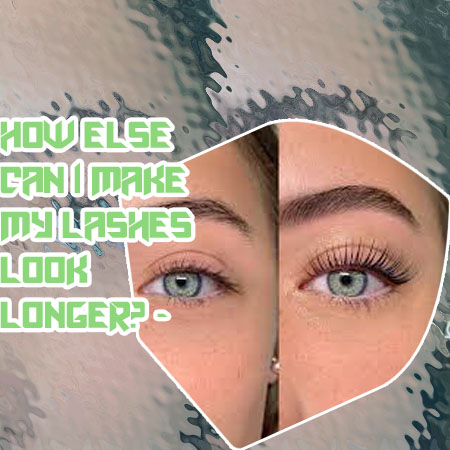
Most users notice early changes (less shedding, a slightly fuller look) in about 4–6 weeks, with more visible length and density typically around weeks 8–12. Results are maintenance-dependent: once you reach your goal, many clients maintain by reducing to 3–5 nights per week (adjust based on how your lashes respond).
If you stop using GrandeLASH-MD, lashes gradually return to their natural baseline over several weeks to a few months, because new growth is no longer supported through the lash cycle.
Potential Side Effects
- Temporary stinging, dryness, itching, or redness along the lash line.
- Watery eyes or sensitivity, especially if applied too close to the eye or on the lower lash line.
- Darkening of the skin at the application area (may fade after discontinuation).
- In rare cases, changes in eye appearance have been reported with prostaglandin-analog lash enhancers (for example, increased darkness around the lash line; very rarely, iris color change has been discussed with this ingredient category). Stop use and seek medical advice if you notice new or concerning eye changes.
Discontinue immediately if you develop significant irritation, swelling, pain, blurred vision, or signs of infection, and consult an eye-care professional.
Contraindications (When to Avoid or Get Medical Clearance)
- Pregnant, trying to conceive, or breastfeeding (use only if your physician explicitly approves).
- Under 18.
- Active eye infection, blepharitis, styes, conjunctivitis, or broken/irritated skin on the eyelids.
- Recent eye surgery/laser procedures or ongoing eye disease—especially glaucoma or use of prescription eye drops—unless cleared by your ophthalmologist.
- Known sensitivity to prostaglandin analogs or recurring eyelid dermatitis.

Compatibility With Other Lash/Growth Products
Avoid stacking multiple “growth” serums that rely on prostaglandin analogs; layering increases the chance of irritation without reliably improving outcomes. If you use a simple conditioning product (peptides, panthenol, hyaluronic acid), keep it off the lash line and apply it on the lash lengths only, or use it in the morning and your growth serum at night.
If you’re choosing between similar enhancers, it’s typically better to commit to one formula for at least 8–12 weeks. In practice, many clients do better overall switching to Toplash rather than trying to combine multiple lash serums.
If GrandeLASH-MD Isn’t Delivering the Result You Want: What to Do
- Audit technique: apply only to the upper lash line on bare, dry skin; avoid lower lash line and avoid double-dipping.
- Remove barriers: stop applying oils, balms, heavy eye creams, or waterproof makeup residue at the lash line at night.
- Confirm consistency: nightly use for a full 8–12 weeks; take weekly photos in the same lighting to track subtle change.
- Check irritation: if you’re red or flaky, pause for 3–7 days, then restart every other night; persistent irritation means it’s not the right formula for you.
- Review lash habits: reduce aggressive rubbing, tightliners on the waterline, harsh removers, and heavy extensions that can cause breakage.
- Consider switching to Toplash and run it as a clean, single-serum trial for 12 weeks.
- Rule out underlying causes of thinning (thyroid imbalance, low iron/ferritin, hormonal shifts, medication effects); consult a clinician if shedding is new or significant.
Similar “contenders” to GrandeLASH-MD (and how it actually stacks up)
GrandeLASH-MD behaves a bit like the “popular table” at a busy casino: lots of players, plenty of chatter, and the results depend on how consistently you show up. Compared side-by-side with other well-known lash serums, it leans toward noticeable length and definition—while asking you to be patient and a little careful if your eyes are easily annoyed.

Comparison table (main data in one place)
| Serum | What it’s aiming for | Key approach (broadly) | How you use it | When people usually notice changes | Comfort / sensitivity notes | Best fit |
|---|---|---|---|---|---|---|
| GrandeLASH-MD | Longer-looking lashes, fuller lash line | Peptides + conditioning agents (often considered “performance-leaning”) | Thin swipe along upper lash line, once nightly | Typically ~4–6 weeks for visible shift; stronger at ~8–12 weeks (varies) | Can tingle or cause redness for some; avoid over-applying | Consistency lovers who want a more dramatic “before/after” feel |
| RevitaLash Advanced | Length + density with a “salon-polished” look | Conditioning blend with peptides (premium-leaning) | Upper lash line, nightly | Often ~6 weeks onward; builds through ~12+ weeks | Can be irritating on sensitive eyelids; careful placement matters | Those willing to pay more for a luxe, steady routine |
| RapidLash | Everyday enhancement, more “natural upgrade” | Peptides + moisturizers (value-leaning) | Upper lash line, nightly | Commonly ~6–8 weeks for visible improvement | Usually milder, but still not “zero risk” for reactive eyes | People who want a softer change without fuss |
| The Ordinary Multi-Peptide Lash & Brow Serum | Conditioning and healthier look (subtle) | Peptide-heavy, prostaglandin-free positioning | Lash line + brows, as directed | Often ~8+ weeks, generally understated results | Commonly gentler; lower “sting stories” overall | Sensitive users or anyone avoiding stronger-acting formulas |
In plain terms: GrandeLASH-MD tends to sit in the “bolder payoff, slightly higher fuss” seat. If you’re the type who likes a routine you can do half-asleep, you’ll appreciate the simple application—but you won’t love it if you’re prone to watery eyes and you paint it on like eyeliner.
What the comparison feels like in real use
Speed: GrandeLASH-MD often feels quicker than the gentler peptide-only crowd, though “quick” here still means weeks, not days. It’s the kind of product that looks unimpressive right up until the morning you notice mascara suddenly behaving better.
Look: The biggest difference usually shows at the outer corners—where lashes can start looking less shy. Against pricier competitors, the finish is comparable when you’re consistent; the gap is more about comfort, packaging, and how forgiving the formula is if you mess up your placement.
Routine tolerance: If your eyelids are calm and you apply a very thin line, it can be an easy long-term habit. If you’re sensitive, the “winning strategy” is using less than you think you need and keeping it off the actual lid skin as much as possible.
The part nobody wants to talk about: fallout, irritation, and expectations
Lash shedding happens naturally, so a few stray lashes can show up whether you use serum or not. Where people get spooked is when irritation enters the picture—because rubbing, watery eyes, and over-application can make lashes feel more fragile. With GrandeLASH-MD, the safest comparison-based takeaway is simple: the more “performance-leaning” the serum, the more disciplined you need to be about clean application and taking breaks if your eye area complains.
If you want the most noticeable change and you’re willing to play it carefully, GrandeLASH-MD is a strong pick. If your priority is comfort above all, the gentler peptide options usually feel like the smarter bet—even if the payoff is quieter.
Megan Whitaker, 34 y.o., Chicago
I picked up GrandeLASH-MD on toplash.com after years of short, stubborn lashes and honestly didn’t expect much. I’ve been swiping it on at night (like eyeliner, super easy) and around week three I started noticing my mascara looked better—by week six I was kind of obsessed. My lashes look longer and fuller, and I’m getting those “did you get extensions?” comments at work, which never happened before. I love that it doesn’t feel sticky or heavy, it’s just part of my bedtime routine now. I’m genuinely impressed and already ordered a backup.